
Plumbing · Sump pumps
A dry basement is a sump pump you never think about
Central Ohio's clay soil holds water, and spring storms here don't do anything halfway. We install sump pumps and battery backups that keep running when the rain doesn't stop and the power goes out.
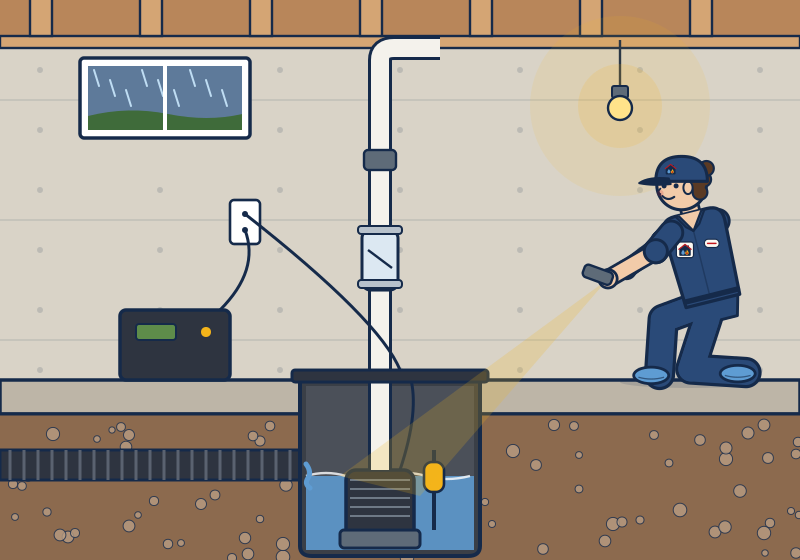
Signs your sump pump needs attention
- It's more than 7 to 10 years old. Sump pumps are hard-working motors, and most don't make it much past a decade.
- It runs constantly, even in dry weather, or cycles on and off every few seconds.
- It doesn't run at all when you pour a bucket of water into the pit.
- Loud grinding, rattling or humming without moving water.
- Rust, a stuck float or a damp pit floor after storms.
- You've never had a backup pump, and you've got a finished basement. Most flooded basements we see happen during a storm that also knocked out the power.
What happens on the visit
- Test the existing pump. We fill the pit, watch the float and the discharge, and check the check valve and the outlet it's plugged into.
- Look at the whole system. Pit size, discharge line routing, where the water ends up outside, and whether it's freezing up or draining back toward the foundation.
- Quote the options. Repair, replacement, battery backup or alarm. You get a written price before we touch anything.
- Install and prove it. New pump, new check valve, sealed lid where it makes sense. We run it through several cycles with you watching.
- Clean up. Old pump hauled away, pit area wiped down, shoe covers off at the door.
Options and posted prices
| Option | Price | Notes |
|---|---|---|
| Diagnostic / service call | $89, applied to the repair | Testing, float or switch repair, check valve replacement |
| Sump pump replacement | from $695 | Cast iron primary pump, new check valve, haul-away |
| Battery backup system | add $450 | Second pump with its own battery and charger; takes over if the main pump or the power fails |
| High-water alarm | $95 with any install | A loud alarm in the pit, so you know before water reaches the floor |
Pumps in a new pit, long or buried discharge runs, and homes with no existing outlet near the pit are quoted on site. Your new installation is covered by the K&D Promise.
Why we recommend a battery backup
The storms that bring the most water are also the ones most likely to drop the power. When the power goes, the main pump goes with it, and the pit can fill in under an hour on a heavy night. A battery backup sits in the same pit, a few inches above the main pump, and kicks in on its own. A healthy battery will usually carry you through a typical outage. We'll tell you how long yours should last and when to replace the battery, which is usually every three to five years.
If you have a finished basement, a home office downstairs, or anything you can't replace down there, the $450 is the cheapest insurance in the house.
How long it takes
A straight sump pump replacement usually takes one to two hours. Adding a battery backup adds about an hour. During spring storm season, we triage: homes with water actively coming in get seen first, and we'll be honest with you about the wait when you call.
What you can do right now
Pump not running and the pit is filling? First check the obvious: is it plugged in, and has the outlet's GFCI button tripped? Press "reset" on the outlet. Check the breaker in the panel. Lift the float gently with a stick (not your hand) to see if it's stuck. If water is already on the floor near outlets or appliances, don't walk through it; shut off power at the panel only if you can reach it from a dry spot. A wet-dry vacuum or buckets can buy you time until we arrive.
Basement taking on water? Call (614) 555-0187, day or night. Comfort Club members never pay the after-hours fee.
A two-minute test you should do every spring
Before the spring rains, pour a five-gallon bucket of water slowly into the pit. The pump should start, empty the pit, and shut off on its own. Go outside and make sure water is coming out of the discharge and flowing away from the house. In winter, make sure the outside end of the discharge line isn't frozen shut or buried under a snowbank. If anything seems off, give us a call before you need it.
Sump pump questions
Pedestal or submersible?
We almost always install submersible pumps. They're quieter, they sit below the water, and they last longer in our experience. Pedestal pumps can make sense in very narrow pits.
Can my sump pump drain into the sewer?
Generally, no. Most communities in our area don't allow sump discharge into the sanitary sewer. It needs to go outside, away from the foundation, or into a storm connection where one is permitted.
Is a water-powered backup an option?
In some homes, yes, if you're on city water with good pressure. They don't need a battery but they use a lot of water. We'll tell you if your home is a good candidate.
My basement has never flooded. Do I really need a backup?
Maybe not. If your pump rarely runs and nothing valuable is downstairs, a good primary pump and a high-water alarm may be all you need. We won't push it.