
Heating · Heat pumps
Heat pumps that are actually set up for Ohio winters
A heat pump heats and cools your home with one outdoor unit. Today's cold-climate models keep working well below freezing, and with the right design they can be a smart fit for a Central Ohio house.
How a heat pump works, in plain English
In summer, a heat pump is an air conditioner: it moves heat from inside your house to outside. In winter, it runs the same process in reverse, pulling heat out of the outdoor air (there's still heat in it, even at 20°F) and moving it inside. Because it moves heat instead of making it, a heat pump can deliver two to three units of heat for every unit of electricity it uses on a typical Ohio winter day.
The catch has always been the coldest nights. Older heat pumps lost steam in the teens and leaned on expensive electric backup heat. Modern cold-climate heat pumps hold up much better, and many of our customers pair a heat pump with a gas furnace. The heat pump handles the mild days, which is most of an Ohio winter, and the furnace takes over during a real cold snap. That's called a dual-fuel or hybrid system.
Signs a heat pump is worth a look, or needs service
- Your AC is due for replacement anyway. A heat pump costs a bit more than a straight AC and adds efficient heating.
- You heat with electric resistance (baseboards or an electric furnace). A heat pump can cut that heating cost dramatically.
- You don't have gas service, or you're thinking about going without it.
- Your existing heat pump is blowing cool air in heat mode, icing up and not defrosting, running constantly, or showing "aux" or "emergency heat" on the thermostat for long stretches.
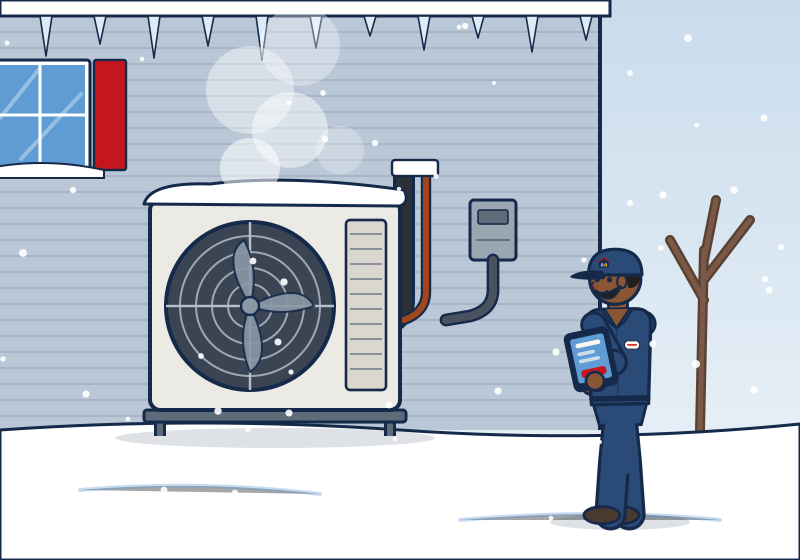
A little frost on the outdoor unit in winter is normal, and so is a cloud of steam when it defrosts. A unit encased in solid ice isn't.
What we do on the visit
- Look at the whole house. Size, insulation, windows, ductwork and your current system. Kenji Watanabe, our lead HVAC technician, or a member of his team runs the consultation.
- Run a load calculation. We size the system to your house and Ohio's design temperatures, not to the old unit's label.
- Lay out the options. Heat pump only, dual-fuel with your existing or a new furnace, or ductless if you don't have ducts. Each with a written price and an estimate of operating cost.
- Explain rebates and tax credits. In general terms we'll tell you which programs your system may qualify for and give you the paperwork you need.
Options and posted prices
| Option | Price | Good fit for |
|---|---|---|
| Heat pump repair | $89 service call, applied to the repair | Defrost, reversing valve, capacitor, refrigerant and control issues |
| Heat pump tune-up | $129 (included in the Comfort Club) | Yearly maintenance, ideally in spring and fall |
| Ducted heat pump system | from $8,500 | Homes with existing ductwork; replaces the AC and adds efficient heat |
| Dual-fuel (heat pump + gas furnace) | Quoted on site | Homes with gas; the most popular choice for Ohio winters |
| Ductless mini-split | from $4,200 per zone | Additions, older homes without ducts, finished attics. See ductless. |
New systems carry the K&D Promise: 10 years parts, 2 years labor. Financing is available: as low as $79/month with approved credit and 0% for 18 months on systems over $5,000.
Rebates and federal tax credits
Qualifying heat pumps can be eligible for federal tax credits, and some utilities offer rebates on high-efficiency equipment. Program rules, amounts and deadlines change, sometimes more than once a year, so we don't print numbers here that might be out of date. Ask about current rebates and federal tax credits for heat pumps when we quote, and we'll give you the equipment details and certificates you'll need for your tax preparer. We're not tax advisors, so please confirm your own eligibility.
How long it takes
A ducted heat pump installation, replacing an existing AC, usually takes one to two days. Dual-fuel installs that include a new furnace typically take two days. We'll set the system up, walk you through the thermostat, and explain what defrost mode looks and sounds like so it doesn't surprise you on the first frosty morning.
What you can do right now
Heat pump not heating? Make sure the thermostat is set to "Heat" (not "Cool" or "Auto" with a low setting). Check the filter. Look at the outdoor unit: clear away snow, leaves and ice so air can move freely, and keep at least two feet of space around it. Check the two breakers, one in the panel and one at the disconnect box near the outdoor unit. Don't chip ice off the coils with anything sharp. If the thermostat lets you, switching to "Emergency heat" will keep the house warm on the backup heat until we arrive.
No heat on a cold night? Call (614) 555-0187. We answer 24/7.
Heat pump questions
Will a heat pump keep my house warm at 5°F?
A cold-climate model sized correctly will still produce heat, with backup heat helping on the coldest nights. With a dual-fuel system, the furnace takes over automatically below a temperature we set together.
Is a heat pump cheaper to run than a gas furnace?
It depends on local electricity and gas prices, which change. On mild days a heat pump is usually cheaper; on the coldest days, gas often wins. That's why dual-fuel is so popular here.
Will I need new ductwork?
Usually not, if your existing ducts are in good shape and sized for your current AC. We'll inspect them.
Is it noisy?
Modern outdoor units are quieter than most older ACs. Variable-speed models are quieter still, since they spend most of their time running slowly.
Want more detail? Read Is a heat pump right for Ohio? on our blog.