
Plumbing · Leaks & repipes
Find the leak, fix the pipe, and keep the drywall where it is
A water stain on the ceiling or a water bill that doubled for no reason usually means a leak you can't see. We find it with listening and thermal tools first, so the only hole we cut is the one we need.
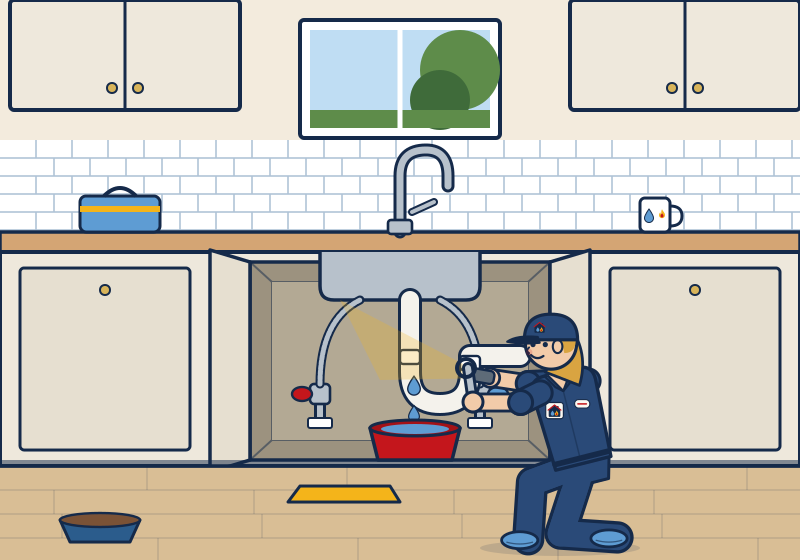
Signs of a hidden leak
- A water bill that jumps without a change in how you use water.
- The meter is moving when every faucet, toilet and appliance is off. (Read the meter, wait an hour without using water, read it again.)
- Stains, bubbling paint or soft drywall on a ceiling under a bathroom.
- A musty smell or mildew in one spot that keeps coming back.
- Warm spots on the floor, which can mean a hot water line leaking under a slab.
- The sound of running water when nothing is on.
- Green or blue crusting on copper pipe joints, or tiny beads of water on the pipe.
What we do on the visit
- Confirm there's a leak. We test the meter and pressure-test the hot and cold sides separately to narrow it down.
- Locate it. Acoustic listening equipment, a thermal camera and a moisture meter let us pinpoint most leaks to within a foot or so, behind a wall or under a floor.
- Quote the repair. You get a written price for opening the spot, making the repair, and, if you want, patching the access hole.
- Repair and test. We fix the pipe, pressure-test it again, and leave the access open long enough to be sure it's dry if that's what the situation calls for.
Options and posted prices
| Service | Price | Notes |
|---|---|---|
| Diagnostic / service call | $89, applied to the repair | Visible leaks, valves, supply lines |
| Leak detection | from $289 | Hidden leaks in walls, ceilings, floors and slabs |
| Pipe repair | Quoted on site | Pinhole, joint, burst or frozen pipe repair |
| Main shut-off valve replacement | Quoted on site | Old gate valves that won't close all the way |
| Whole-home repipe | Free estimate | PEX or copper, with financing available |
We don't do drywall finishing ourselves, but we'll leave a clean, square opening and can recommend a local handyman for the patch. Repairs are covered by our 1-year labor warranty.
When it's time to repipe
One pinhole leak in copper is a repair. The third one in a year is a pattern. Homes built from the 1950s through the 1970s around here often have copper that's thinning from the inside, or galvanized steel lines that rust and narrow until the shower pressure is a trickle. Some homes from the 1980s and 1990s have older plastic supply lines that we now recommend replacing.
Repiping replaces the supply lines throughout the house, usually with PEX, a flexible plastic tubing that handles freezing better than copper and needs fewer joints. We route new lines through basements, closets and existing chases whenever we can to keep wall openings to a minimum, and we plan the work so you have water most evenings.
How long it takes
Leak detection usually takes one to two hours. A typical pipe repair, once found, is another hour or two. Whole-home repipes take two to four days for most single-family homes, depending on size and access, plus a few days for any required inspection.
What you can do right now
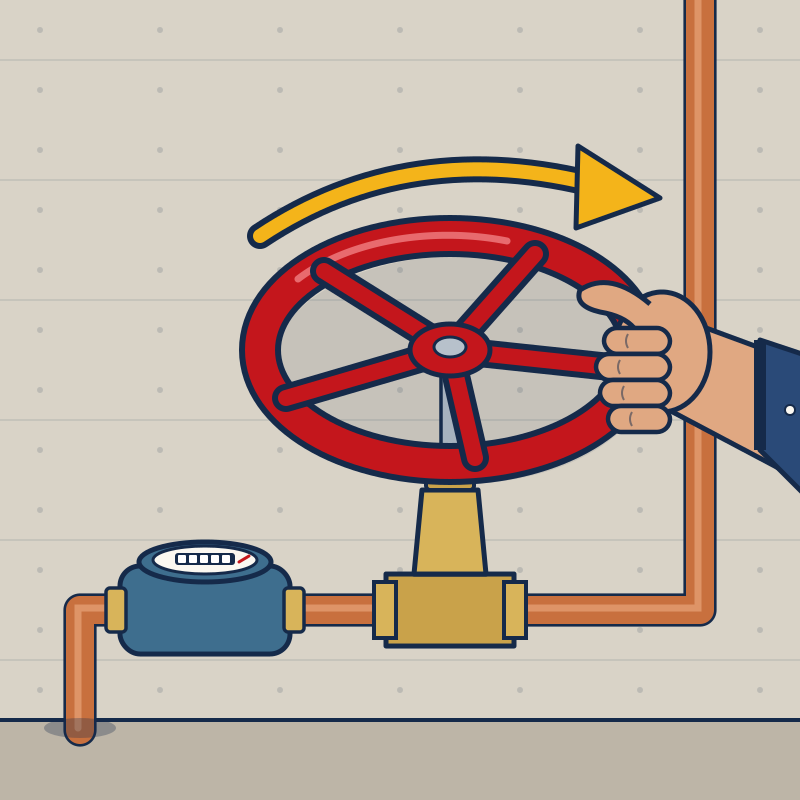
Water coming through a ceiling or a burst pipe? Shut off the main water valve. In most Central Ohio homes it's in the basement or crawlspace on the front wall, where the water line comes in near the meter. Turn a round handle clockwise until it stops, or turn a lever a quarter turn so it sits across the pipe. Then open a faucet on the lowest floor to drain the lines. If water is near the electrical panel, outlets or light fixtures, stay out of the wet area and shut off power at the panel only if you can stand somewhere dry to do it. A bulging, water-filled ceiling can come down: put a bucket under it and keep people out from under it.
Don't know where your shut-off is? Find it today, before you need it. Our shut-off guide walks you through it.
Water where it shouldn't be? Call (614) 555-0187, day or night.
Leak and repipe questions
Will you have to cut open my walls?
Only where the leak is, and usually a small opening. That's the whole point of locating it first. For repipes, most of the work happens from the basement and attic.
PEX or copper?
Both are good. PEX costs less to install, has fewer joints and tolerates freezing better. Copper lasts a long time and some homeowners just prefer it. We'll quote both if you'd like.
Will insurance pay for this?
Many policies cover water damage from a sudden leak, though not always the pipe repair itself. We'll give you a written report and photos for your claim.
What about frozen pipes?
Ohio winters do freeze pipes in outside walls, crawlspaces and garages. See our frozen pipes checklist, and call us before you take a heat gun to anything.